






























Twin Cities Property Finder · David Olson, Broker · MN #BK3603584 · Whitefish Property Finder · MN #40646463 · Licensed in Minnesota, Wisconsin and Florida
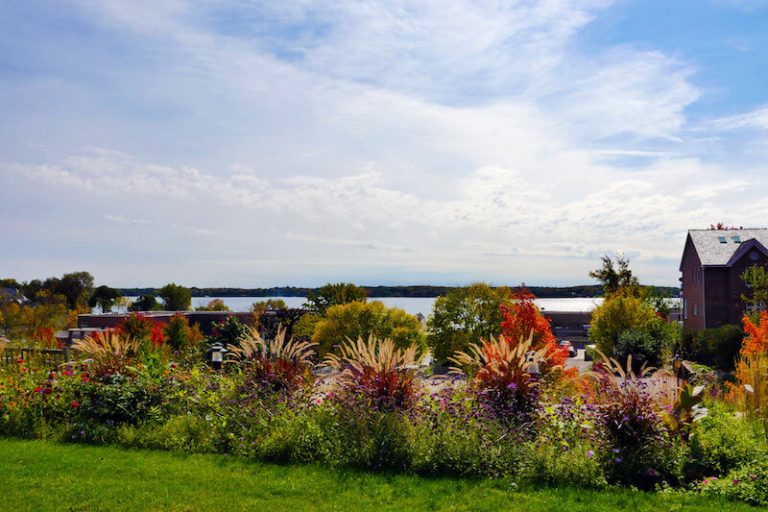
Lake Minnetonka is an integral part of each and every one of the cities that it touches. The main landmark of the western metro, it provides limitless recreational activities, supported by nearby parks, and serene hiking trails.
If you’re thinking about a home near the water, here’s what to know about the lake and the area around it.
Here’s an honest look, whether you’re selling or buying.
of Lake Minnetonka
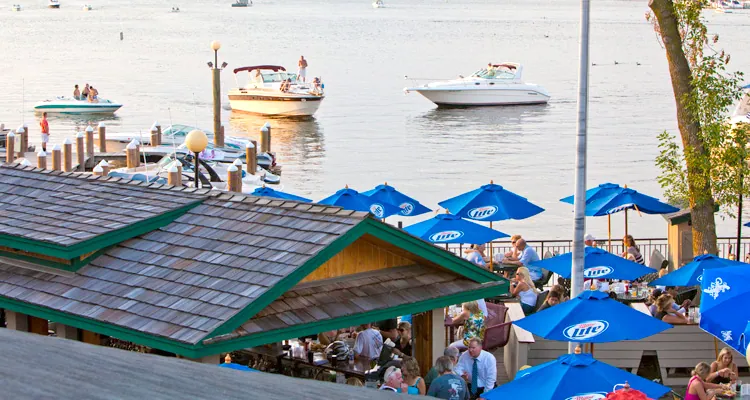
On an average summer day, the iconic lake will be bustling with all kinds of activity. The most beautiful homes in the area rest near the lakes bays and peninsulas. These homes truly capture the charm and peaceful living that the Minnesota lakeside cities of Lake Minnetonka have to offer. But how did the lake develop into such an important piece of Minnesota’s history? It all began in the mid 1800’s.
Save for the Native Americans, the lake was a secret to all. The wooded areas and shores surrounding the lake provided plenty of food for the Natives to live off of. Therefore, Lake Minnetonka was critical for their survival, and was intentionally kept hidden from the settlers. However, settlers eventually discovered the lake in 1822. By 1851, the treaty of Mendota between the Natives and the U.S. Government provided the settlers access to a wide stretch of land, including Lake Minnetonka.
When they heard of the areas around Lake Minnetonka, many southerners came to visit in order get away from the heat. Because the huge lake was such a popular tourist destination, it was logical to build several inns and hotels around the lake. Lake Minnetonka was also the northern center of the ginseng boom of the 1850’s, and even though laws prevented it, southerners brought their slaves up to work on the plants. After the Civil War era, many of the biggest hotels in the country could be found near Lake Minnetonka. Some the popular ones were the Hotel Lafayette, and Hotel St. Louis. Unfortunately, most of these hotels were either tragically burned down by fires, or demolished in order to make room for residential living.
Parks, access and things to do
As tourism continued to flourish, a man by the Name of James J. Hill founded and established the main railroad system in the area. Not only did the railroad bring in hundreds of tourists every day in the summer months, it also allowed the local businesses to succeed because of the increase of trade to the area.
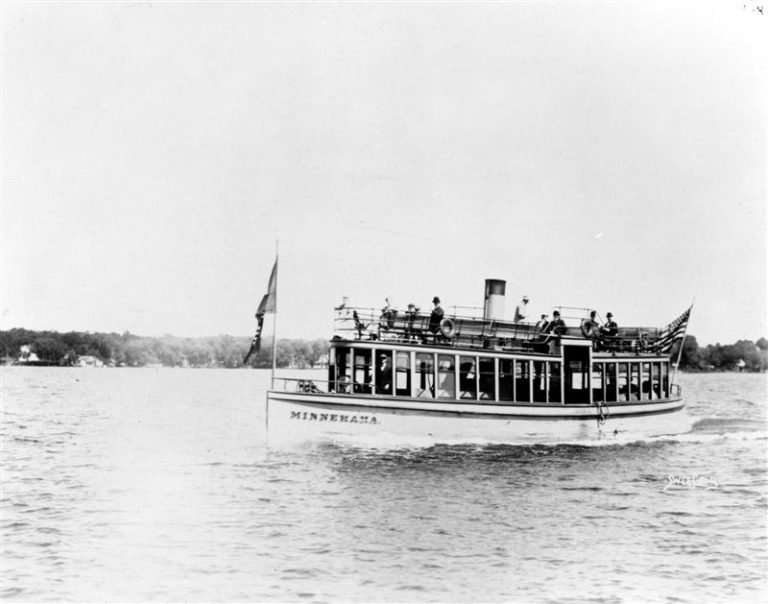
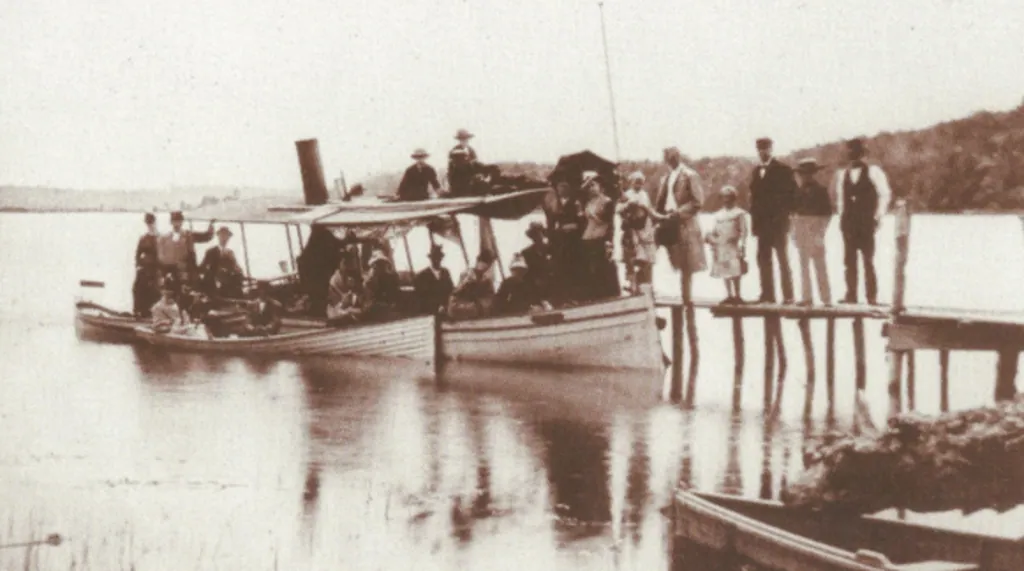
Development around the lake thrived in the 1880’s and 90’s. Steamboats provided access to the lake as they offered locals cruises across the water. Big Island, a park near the lake, was built in 1902 and offered entertainment that people traveled miles for in order to experience. One of the most popular rides across Lake Minnetonka was the steamboat called the Minnehaha. Referred to as a “streetcar boat”, it was called a “streetcar boat” because it looked exactly like a streetcar, but with a hull added underneath it. Thomas Lowry, who owned Twin Cities Rapid Transit, built a streetcar line in 1905. He made double-decker streetcars for road usage, but these concerned the passengers because they could tip at high speeds. Once the passengers arrived on the lake, Lowry wanted scheduled boat rides to take them around the lake, especially to his Big Island Amusement Park. He took his streetcars and converted them into steamboats, providing a new and exciting way to travel on the lake. His business took off as a result. This boom of business would not last forever. By the 1920s, the business declined, as newly built highways provided automobiles the ability to drive around the lake. The boats were destroyed and sunk to the bottom of the lake. Tourism in the area declined rapidly after a nationwide financial depression. It got to the point where the locals could not support themselves anymore and many moved away from the area, back to the Twin Cities. Hotels were shut down, charter companies were closed, and the area lost its title as a vacation destination. Eventually, however, the areas began to develop once again into mainly residential areas. As the area continued to develop, it became known for being home to some of the most beautiful houses in Minnesota. The biggest cities in the area were Orono, Minnetonka, and Mound. However, as they continued to develop, several smaller cities wanted to become separate townships, and they annexed. In 1979, the Minnehaha was rediscovered, and eventually restored and used once again as a transport around the lake. Today, the lake’s shores are littered with many small, lakeshore cities.
Lake Minnetonka is the 10th largest lake and the most heavily accessed body of water in the state of Minnesota. Thanks so much and have a great day!
A simple plan for your Minnetonka move
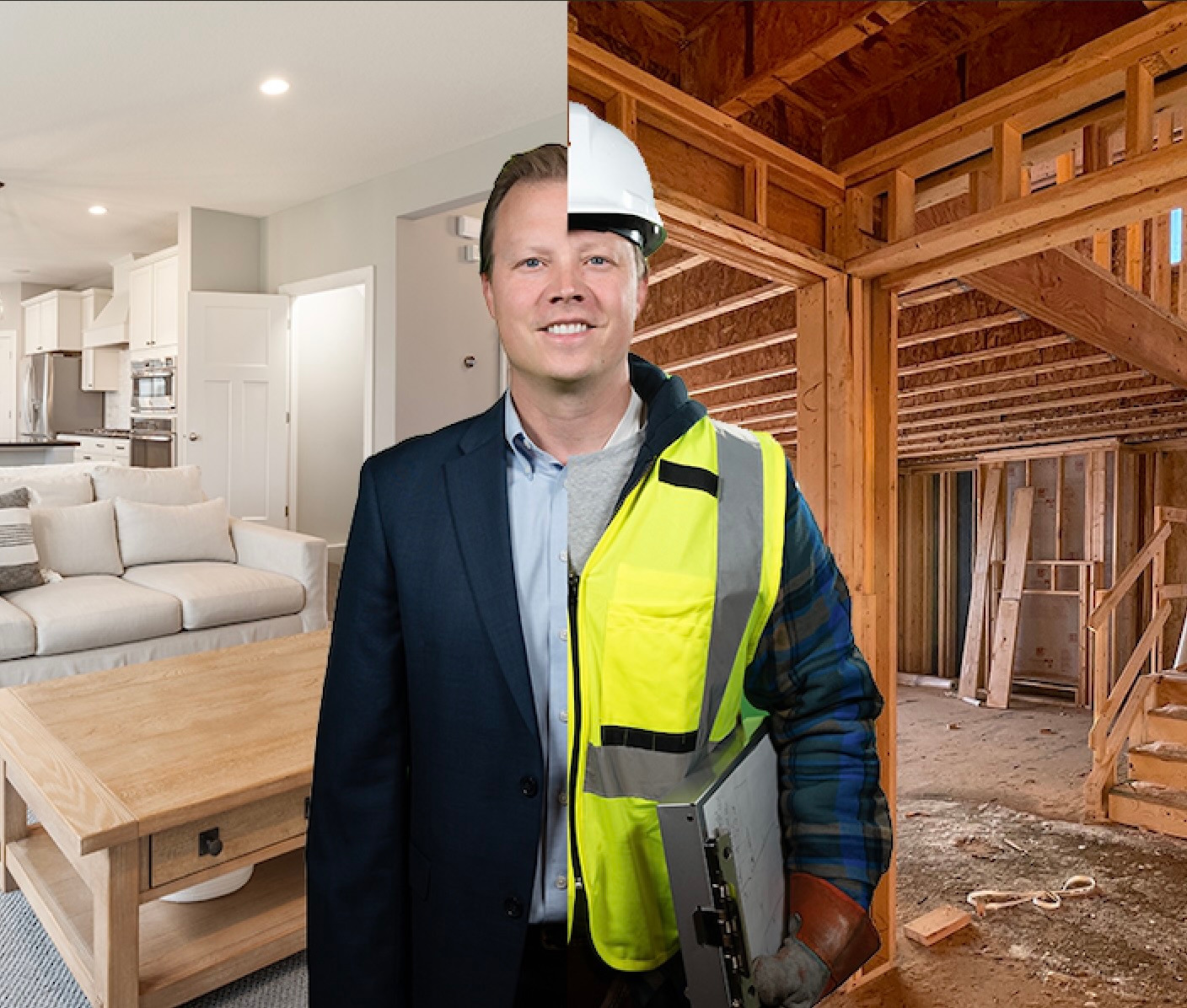
I’ve been helping people sell and buy homes across Minnesota, Wisconsin, and Florida for about two decades, and I build and remodel luxury homes too. I’ll help you see both what a property is and what it could be.
Getting the house ready, or making it yours
If you’re selling and want repairs handled before buyers see them, Super Crew Contractors can give you an estimate. If you’re ready for something custom, Ivy Lane Homes does luxury home building and remodeling. And a quick coverage check with Intrinsic Insurance before closing can save you a surprise. Ready to talk? Start a buyer plan or ask what your home is worth.
Super Crew Contractors, Ivy Lane Homes and Intrinsic Insurance are owned by David Olson; you are free to use any contractor, builder or insurer.
Your next step in Minnetonka
Minnetonka homes are priced neighborhood by neighborhood. Whether you’re selling or buying, I’ll help you make a plan that fits.
Please note: I don’t handle rentals or property management. I work with sellers and buyers, and that’s where I can help you most in Minnetonka.
Stay close to the market, without the noise.
Every so often I send a short, practical note: what Twin Cities homes did, prep tips that are worth the money, and neighborhoods worth a look.

Thank you! You’re on the list.
I’m glad you’re here. A quick confirmation is on its way to your inbox. Whenever you want to talk about your own home or a move, I’m a call or text away.