






























Twin Cities Property Finder · David Olson, Broker · MN #BK3603584 · Whitefish Property Finder · MN #40646463 · Licensed in Minnesota, Wisconsin and Florida
The earliest inhabitants to the South Saint Paul area were the Mdewakanton Dakota Indians.
Knowing a community’s story helps you understand its neighborhoods today. Here’s a short history.
Here’s an honest look, whether you’re selling or buying.
How South St. Paul began
The tribe’s members lived in a village known as Kaposia on the banks of the Mississippi River. However, in the years between 1851 and 1854, the Indians were moved from the area by the federal government in order to open the land to white settlement.
Around the year 1885, a man by the name of Alpheus Beede Stickney purchased land along the Mississippi River to construct the South St. Paul stockyards. Stickeny built the stockyards as a stopping place for western cattle ranchers to unload and fatten their livestock before moving them on to the meatpacking plants in Chicago. Freight railroad tracks were later extended to the stockyards, providing direct shipment to and from the site. Shortly after, meatpacking companies saw the potential for profit in South St. Paul and established plants, which turned the city into a magnet for European immigrants seeking work. Many German, Polish, and Romanian workers were recruited and took up residence in South Saint Paul.
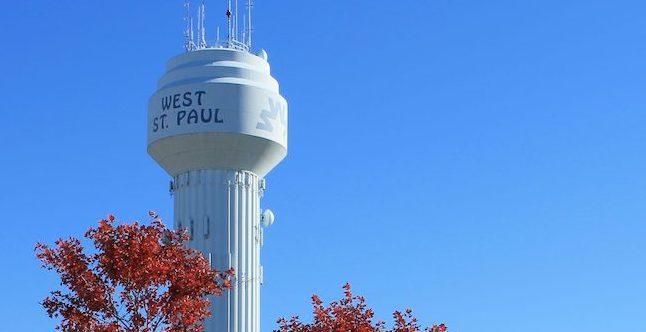
When the city was officially incorporated in 1897, breaking off from West St. Paul, South St. Paul was rapidly growing as the blue-collar counterpart to cosmopolitan neighborhoods in Minneapolis and St. Paul. Also during that time, real estate entrepreneur Charles Clark was successfully attracting industries and people to the bluffs overlooking the river in the new city. By the end of World War II, the city was completely developed from border to border.
How it grew
However, the city fell upon hard economic times in the second half of the twentieth century. In 1960, the city moved to renovate Concord Street, and started by tearing down more than 120 buildings. The effort died, though, in 1969, leaving 4,000 people without full-time employment. Altogether, 12,000 jobs were lost and South St. Paul declared a federal disaster area.
South St. Paul experienced a remarkable turnaround, starting in 1988 when the city bought and tore down Armour meatpacking industry in order to raise 23 new buildings and 47 acres of land for development. In 2008, the stockyards closed. The once privately owned railroad and stockyard with no public access to the water is now a green space with public a boat launch and a trail.
New clean industries have moved into present day South Saint Paul and the city is now home to around 70 businesses that employ 4,000 people.
A simple plan for your South St. Paul move
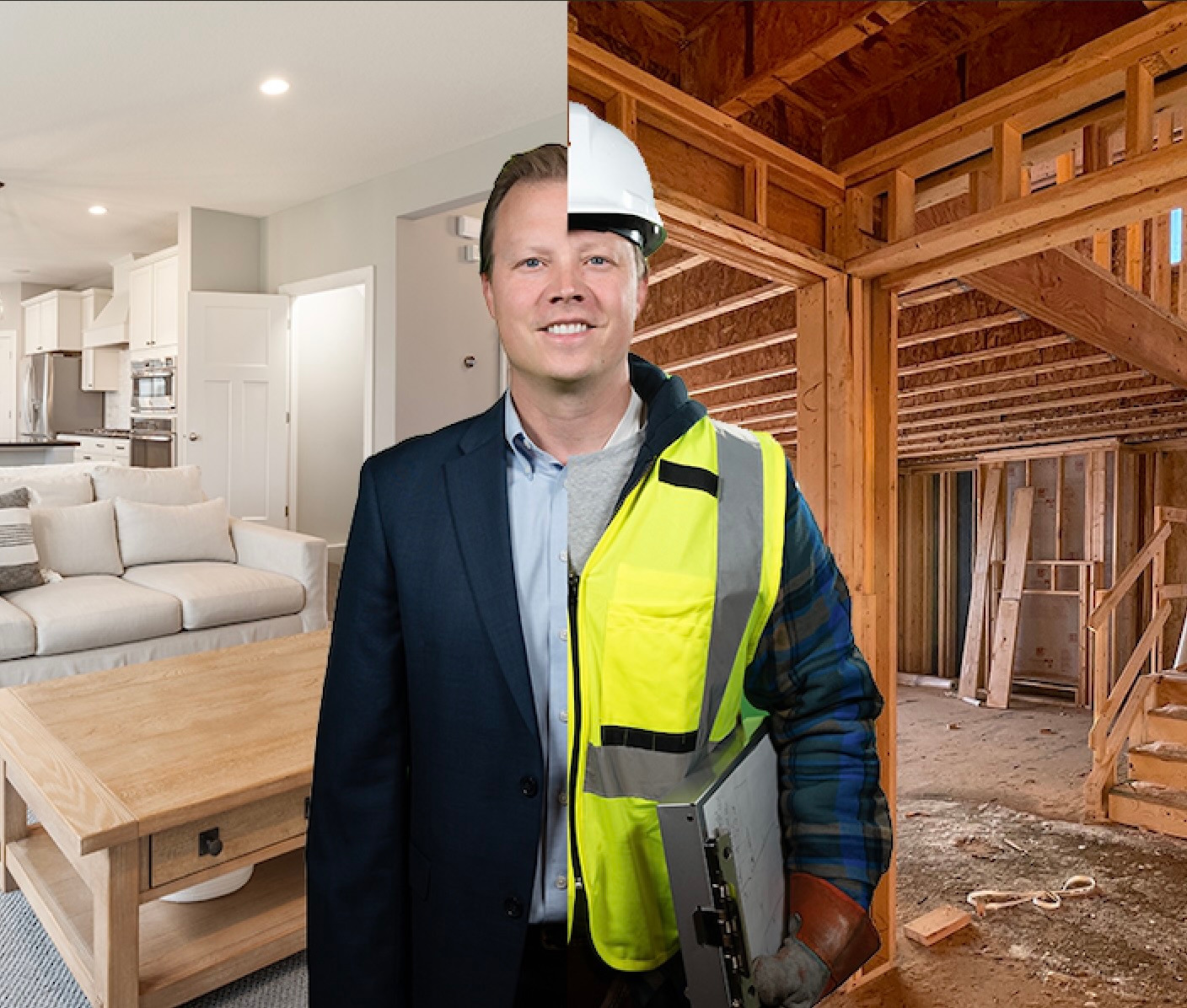
I’ve been helping people sell and buy homes across Minnesota, Wisconsin, and Florida for about two decades, and I build and remodel luxury homes too. I’ll help you see both what a property is and what it could be.
Getting the house ready, or making it yours
If you’re selling and want repairs handled before buyers see them, Super Crew Contractors can give you an estimate. If you’re ready for something custom, Ivy Lane Homes does luxury home building and remodeling. And a quick coverage check with Intrinsic Insurance before closing can save you a surprise. Ready to talk? Start a buyer plan or ask what your home is worth.
Super Crew Contractors, Ivy Lane Homes and Intrinsic Insurance are owned by David Olson; you are free to use any contractor, builder or insurer.
Your next step in South St. Paul
South St. Paul homes are priced neighborhood by neighborhood. Whether you’re selling or buying, I’ll help you make a plan that fits.
Please note: I don’t handle rentals or property management. I work with sellers and buyers, and that’s where I can help you most in South St. Paul.
Stay close to the market, without the noise.
Every so often I send a short, practical note: what Twin Cities homes did, prep tips that are worth the money, and neighborhoods worth a look.

Thank you! You’re on the list.
I’m glad you’re here. A quick confirmation is on its way to your inbox. Whenever you want to talk about your own home or a move, I’m a call or text away.