































Buying or selling? Call or text 952-314-9446.
Sometimes, there are costs associated with not taking a particular action. If a person left their money in a certificate of deposit earning 2% when they could have made an investment that earned 8%, the difference is the opportunity costs associated to not taking action.
If a couple has a down payment and good credit, locking in a low interest rate mortgage for 30 years could easily provide their lowest cost of housing. If that couple waits three years to purchase a home, the price would probably be higher as would the mortgage rate.
However, assuming the price and interest rate remained constant, look at what the opportunity costs might be compared to doing nothing.
If their money was invested in a certificate of deposit at 2.00%, in two years their $8,750 would have grown to $9,104. They would have earned $354 and had to pay ordinary income tax on the interest.
If their money was invested in the stock market that had increased 7%, in two years they would have a profit of $1,268 which would be subject to long-term capital gains tax.
On the other hand, it the same investment was used to buy a home that increased in value at 3% annually, the equity would be $31,938 or an increase of $23,188. Tax would not be triggered until the home is sold and may not be due then based on their homeowner’s principal residence exclusion.
The home goes up in value due to appreciation and the unpaid balance goes down because of amortization. The dramatic difference in growth in the equity of the home is effected by leverage: the use of borrowed funds controlling the asset.
A home is a place of your own where you can feel safe and secure, to enjoy with your family and friends and in many instances, a very good investment. It is difficult to measure the opportunity costs of intangibles but not necessarily money.
Make your own projections with Your Best Investment.
Please note: I don’t handle rentals or property management. I work with buyers and sellers, and that’s where I can help you most.
Stay close to the market, without the noise.
Every so often I send a short, practical note: what Twin Cities homes did, prep tips that are worth the money, and neighborhoods worth a look. Sign up and you’ll also get this guide as a PDF to keep.

Thank you! You’re on the list.
I’m glad you’re here. Your PDF copy of this guide is ready below, and a quick confirmation is on its way to your inbox. Whenever you want to talk about your own home or a move, I’m a call or text away.
Thinking about buying or selling?
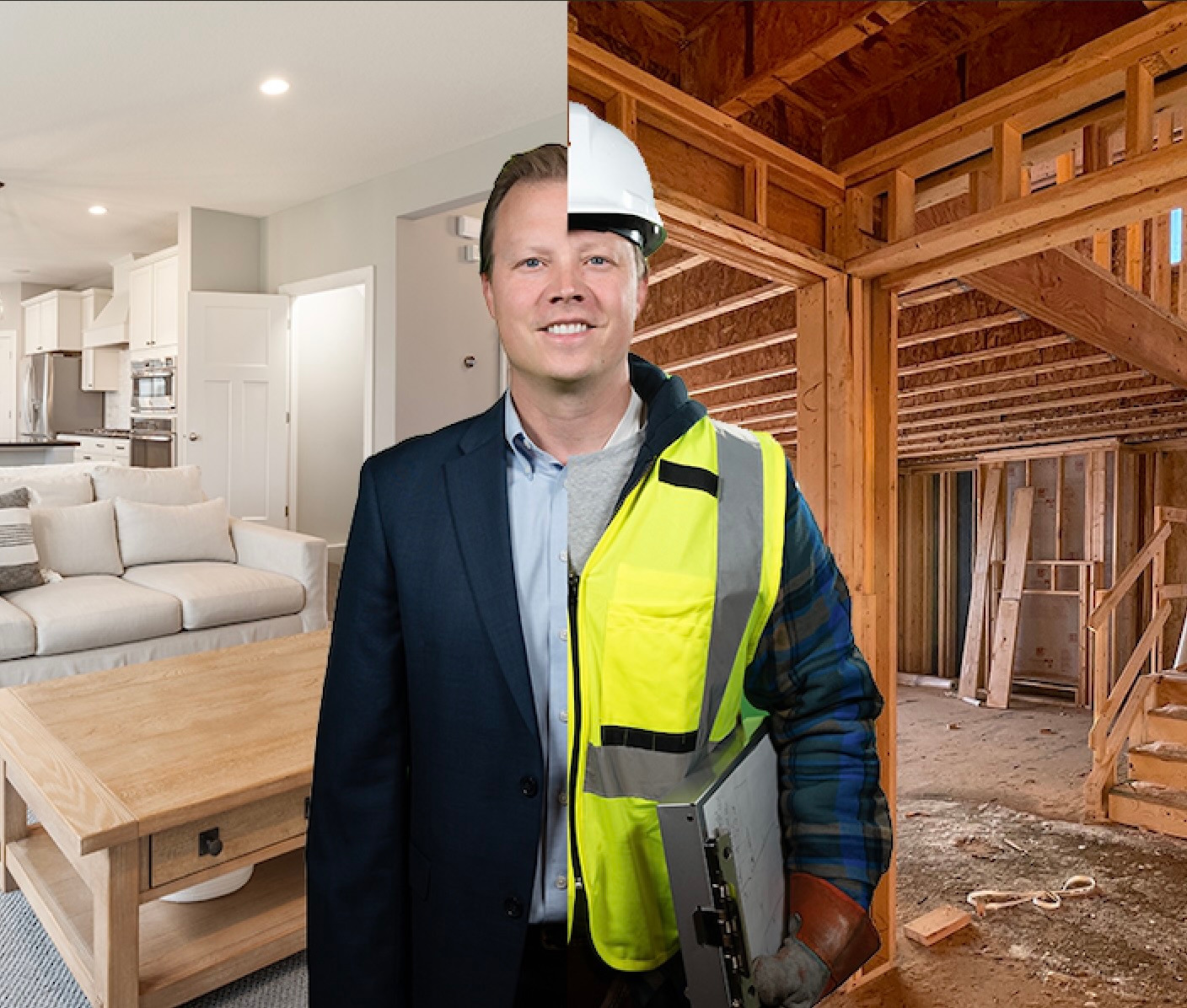
I’ve helped Twin Cities families buy and sell for about two decades, and I look at every house the way a builder does.
Call or text David Olson: 952-314-9446
[email protected] · DavidOlsonRealEstate.com