































Twin Cities Property Finder · David Olson, Broker · MN #BK3603584 · Whitefish Property Finder · MN #40646463 · Licensed in Minnesota, Wisconsin and Florida
Early settlers to the City of Oakdale were primarily farmers, who mainly grew wheat because of the sandy loam soil that was consistent in the area.
Knowing a community’s story helps you understand its neighborhoods today. Here’s a short history.
Here’s an honest look, whether you’re selling or buying.
How Oakdale began
The town received its name after the wide assortment of trees that were found, including bur, white, and black oak. The different lakes in the city also attracted many settlers. Throughout the 1930s, the main winter industry was ice cutting on Tanners Lake for ice boxes in the summer.
The first known settler to Oakdale was Bernard B. Cyphers from Virginia. Cyphers built a hotel and named it the Lake House near Sunfish Lake, which brought more visitors to the town. By 1850, a road was constructed that ran past the hotel and onto St. Paul and Stillwater. Years later, a man by the name of John Morgan became the first permanent resident of the Oakdale and constructed his own hotel on the Stillwater-St. Paul road. The hotel served as a changing and refueling station for Concord stages on their way to Stillwater. By 1855, many new settlers, mainly German and Irish, had arrived in the growing town.
In 1858, the current day cities of Oakdale, Lake Elmo, Landfall, and a small part of Pine Springs and Mahtomedi were organized as the Township of Oakdale. The township grew again in 1870-1871 when the the St. Paul-Stillwater Short Line Railroad and the St. Paul & Taylors Falls Railroad were constructed, with stations in Lake Elmo and Oakdale. As the years wore on, Oakdale and Lake Elmo also became popular destinations for summer residents. Residents of St. Paul, like Dr. De Montreville, began to buy property on the different lakes in Oakdale for summer houses. Over the year, many bungalows were built on the lakes of Olson, Jane, and De Montreville.
The Township of Oakdale remained intact until 1926 when the Village of Lake Elmo was formed. Because the former township’s town hall was located in the new Village of Lake Elmo, farmers in Oakdale petitioned for a separate township. In 1968, the Village of Oakdale was formed, keeping the current day cities of Landfall and Northdale in formation. After World War II, new single family homes were built in Oakdale, and the western portion of the city became an industrial center. The City of Oakdale was officially formed in 1974 and has grown to its present day population of 28,033.
A simple plan for your Oakdale move
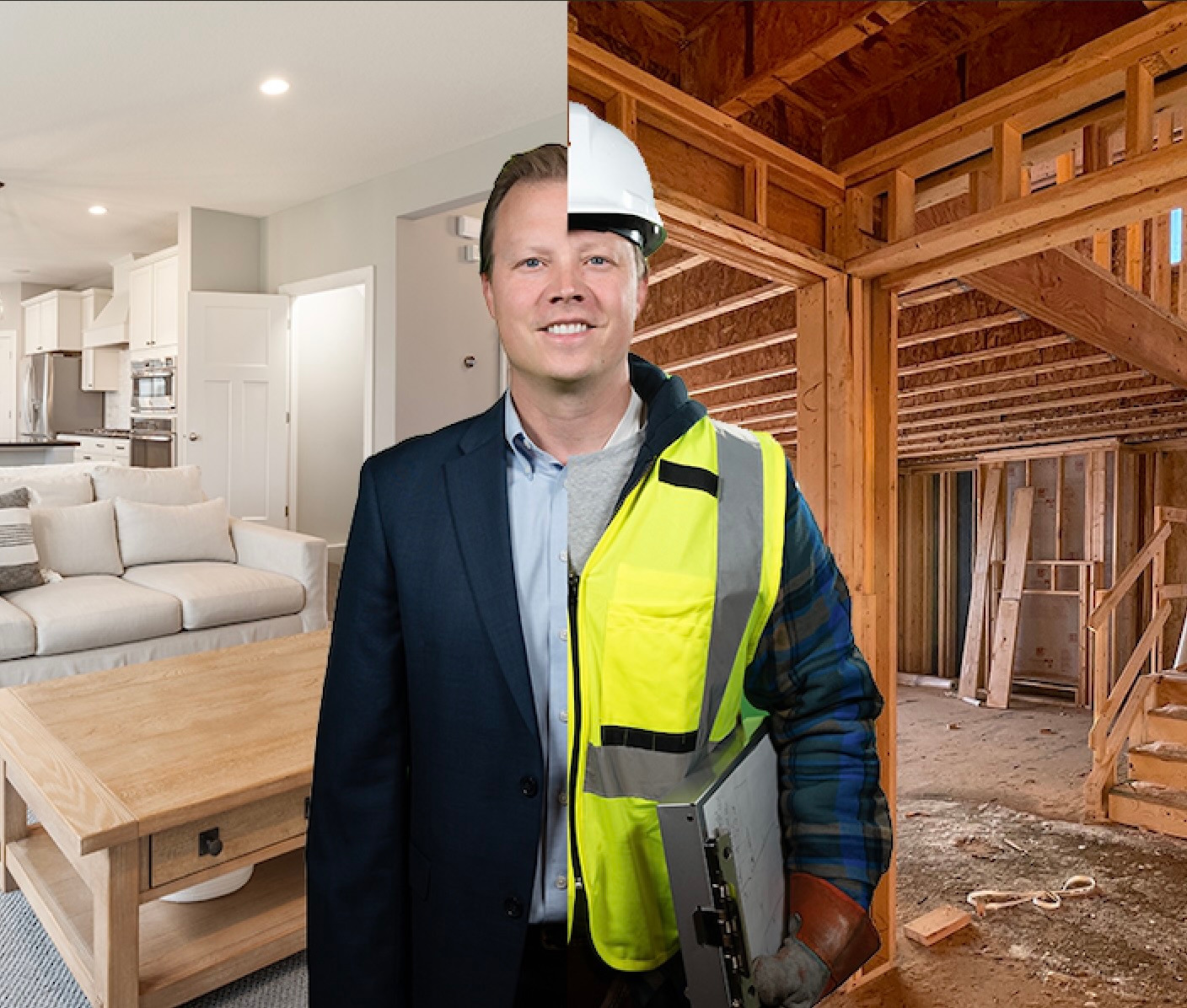
I’ve been helping people sell and buy homes across Minnesota, Wisconsin, and Florida for about two decades, and I build and remodel luxury homes too. I’ll help you see both what a property is and what it could be.
Getting the house ready, or making it yours
If you’re selling and want repairs handled before buyers see them, Super Crew Contractors can give you an estimate. If you’re ready for something custom, Ivy Lane Homes does luxury home building and remodeling. And a quick coverage check with Intrinsic Insurance before closing can save you a surprise. Ready to talk? Start a buyer plan or ask what your home is worth.
Super Crew Contractors, Ivy Lane Homes and Intrinsic Insurance are owned by David Olson; you are free to use any contractor, builder or insurer.
Your next step in Oakdale
Oakdale homes are priced neighborhood by neighborhood. Whether you’re selling or buying, I’ll help you make a plan that fits.
Please note: I don’t handle rentals or property management. I work with sellers and buyers, and that’s where I can help you most in Oakdale.
Stay close to the market, without the noise.
Every so often I send a short, practical note: what Twin Cities homes did, prep tips that are worth the money, and neighborhoods worth a look.

Thank you! You’re on the list.
I’m glad you’re here. A quick confirmation is on its way to your inbox. Whenever you want to talk about your own home or a move, I’m a call or text away.